
It is one of the first questions people ask about CBD: once you take it, how long until it kicks in? The honest answer is that it depends on how you take it, whether you have eaten, and on your own body.
This guide walks through what research shows about CBD timing for each type of product, why it varies from person to person, how long CBD stays in your system, and what to do if you are not sure it is doing anything.
The short answer
For CBD you swallow or hold under your tongue, research shows levels in the blood usually peak somewhere between one and four hours after you take it. Some people say they notice a difference sooner. Taking it with a meal helps your body absorb more of it. Topicals work differently, because they are made to stay at the skin rather than enter the bloodstream.
Why the Timing Varies
Two people can take the same product and have very different experiences. The biggest factors:
- How you take it. CBD held under the tongue, swallowed, applied to skin, or inhaled all take different routes into the body.
- Food. CBD is fat soluble, so a meal changes how much of it your body absorbs. More on that below.
- Your body. Metabolism, body weight, and other medications all play a part.
- The product. Strength, format, and the carrier oil all make a difference, which is why the label directions matter.
- Consistency. Many people find CBD fits best as part of a daily routine rather than something taken once in a while.
Timing by Product Type
Most of what is known about CBD timing comes from studies that measure how much CBD is in the blood over time. A 2018 review of human studies pulled that research together. Here is what it found, by format:
| Format | How it is taken | Blood levels usually peak |
|---|---|---|
| Tinctures and oral sprays | Under the tongue, then swallowed | About 1.6 to 4 hours |
| Softgels, capsules, gummies | Swallowed and digested | Up to about 4 hours |
| Topicals and bath bombs | Applied to skin | Not measured this way; made to stay at the skin |
| Inhaled products | Breathed in | Within minutes |
Tinctures and oral sprays
Tinctures and sprays are usually held under the tongue for a short time before swallowing, as the label directs. Studies of CBD spray used this way found blood levels peaked, on average, between about 1.6 and 4.2 hours later. Tinctures are also the easiest format to adjust, since you control the amount drop by drop.
Softgels, capsules, and gummies
These are swallowed and digested, so the CBD has to pass through your stomach and liver before it reaches the bloodstream. Research on CBD taken by mouth found peak blood levels anywhere from shortly after taking it up to about four hours. In exchange for being a little slower, they are pre-measured, taste-free (softgels), and easy to take the same way every day.
Topicals and bath bombs
Balms, salves, creams, and serums are applied where you want them and are made to stay at the skin rather than travel through the bloodstream, so blood-level timing does not really apply. What you notice first is the product itself, such as a cooling salve or a moisturizer. Our guide to topical CBD oil for skin covers how to use them.
Inhaled products
Inhaled CBD reaches the bloodstream fastest, within minutes, because it goes through the lungs instead of the digestive system. Healthy Hemp Oil does not sell vape or inhaled products.
Should You Take CBD With Food?
Food makes a real difference. Because CBD dissolves in fat, taking it with a meal helps your body absorb more of it. The same review found that when people took CBD by mouth after eating, the total amount absorbed was about five times higher than on an empty stomach.
Taking CBD with food can also help if oils tend to upset your stomach. The trade-off is that it may take a little longer to reach its peak, so if timing matters to you, be consistent: same time, same way, every day.
How Long Does CBD Stay in Your System?
The body clears CBD gradually. Research measures this as a half-life, the time it takes for the level in your blood to drop by half. In the studies reviewed, that ranged from about 1.4 to 11 hours after a single use of an oral spray, and about two to five days for people who took CBD by mouth every day.
In other words, regular daily use builds a steady level over time, and it takes longer to clear. If you are drug tested, read the section on drug tests in our guide to hemp oil side effects.
What If You Do Not Notice Anything?
- Give it time. Swallowed products in particular can take a few hours to peak, so do not judge a product by the first half hour.
- Be consistent. Take it at the same time each day, the same way, for a couple of weeks before deciding how it suits you.
- Follow the label. Do not take more than the label directs. If you are unsure about strength, our CBD Buyers Guide explains how to compare products.
- Try a different format. Some people prefer a tincture they can adjust, others a softgel they do not have to think about.
- Check the lab report. A Certificate of Analysis (COA) confirms how much CBD is really in the bottle. Ours are on our Lab Results page.
If you take any prescription medication, talk to your doctor or pharmacist before you start. CBD can interact with some medications.
About this information
This guide is for general education only. Timing figures come from published research that measured CBD levels in the blood, which is not the same as how any one person will feel, and research on CBD is still developing. It is not medical advice and is not a substitute for advice from your doctor or pharmacist. Talk to a qualified healthcare professional about your own situation before using any hemp or CBD product.
Good Places to Start
Three easy ways to build CBD into a daily routine: an oral spray, a pre-measured softgel, and a gummy.
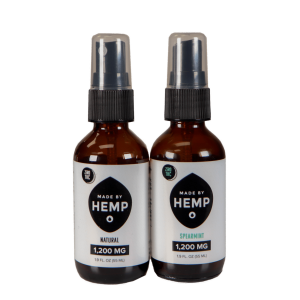
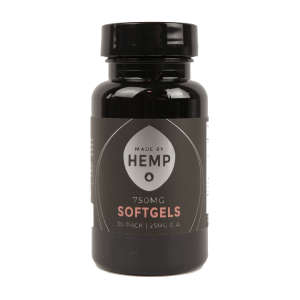
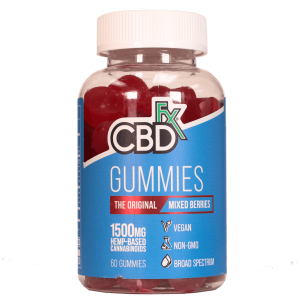
See our Best CBD Oil picks in every category. Questions about a product? Contact our team, we are happy to help.
Source: Millar SA, Stone NL, Yates AS, O’Sullivan SE. A Systematic Review on the Pharmacokinetics of Cannabidiol in Humans. Frontiers in Pharmacology, 2018.