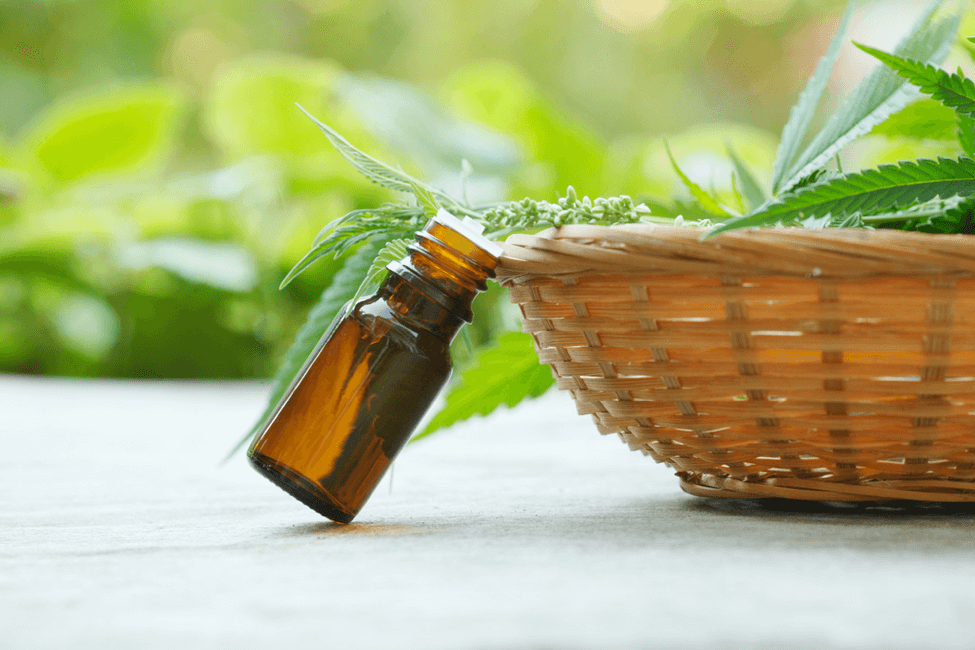
“Hemp oil” is one of the most confusing terms in the hemp aisle, because it is used for two very different products. One is hemp seed oil, a food oil pressed from the seeds. The other is CBD hemp extract, made from the flowers and leaves of the plant. They are made differently, contain different things, and people report different side effects with each.
This guide covers both: what each oil is, the side effects people most often report, who should talk to a healthcare professional before trying either one, and simple ways to start comfortably.
The short answer
Most people tolerate both oils well. With hemp seed oil, the most common complaint is an upset stomach. With CBD hemp extract, people most often report drowsiness, dry mouth, loose stools, and changes in appetite. CBD can also interact with some prescription medications, so if you take any, check with your healthcare professional before you start.
Hemp Seed Oil vs. CBD Hemp Extract
Hemp seed oil is cold-pressed from hemp seeds, much like olive oil is pressed from olives. It is sold as a cooking oil, a nutritional supplement, and a skin care ingredient. It is naturally rich in omega-3 and omega-6 fatty acids and contains little to no CBD. On an ingredient list you will usually see “hemp seed oil” or “cannabis sativa seed oil.”
CBD hemp extract, often sold as CBD oil, is extracted from the flowers and leaves of the hemp plant, where the cannabinoids are. It is usually blended into a carrier oil such as MCT or hemp seed oil and sold as tinctures, softgels, gummies, and topicals. The label will list an amount of CBD in milligrams.
Everything Healthy Hemp Oil sells is in the second group. If a product lists no CBD amount and no lab report, it is almost certainly hemp seed oil, whatever the front of the bottle says.
Hemp Seed Oil Side Effects
Hemp seed oil is a food, and for most people it behaves like one. The side effects people report are mostly the ones you would expect from adding any rich oil to your diet.
Upset stomach
The most common complaint is digestive: loose stools, cramping, bloating, or nausea. Hemp seed oil is almost entirely fat, and a large spoonful on an empty stomach can be a lot for your gut to handle. Taking it with a meal and starting with a small amount usually makes a real difference.
It does not like heat
The same polyunsaturated fats that make hemp seed oil popular also make it fragile. High heat breaks them down, so it is best used cold: drizzled on salads, stirred into smoothies, or added to food after cooking. Store it in a cool, dark place, keep the cap tight, and throw it out if it starts to smell sharp or bitter, which is a sign it has gone rancid.
Sensitivity or allergy
A small number of people are sensitive to hemp. If you notice itching, a rash, or any other reaction after using hemp seed oil on your skin or in your food, stop using it and talk to your healthcare professional.
Medications
If you take blood thinners or any other prescription medication, ask your healthcare professional before adding hemp seed oil, or any new supplement oil, to your routine.
CBD Oil Side Effects
Research on CBD is still developing, but the side effects reported most often in studies are consistent. Most are mild, and many people notice none at all. The ones to know about:
- Drowsiness. Some people feel tired or more relaxed than they expected. Until you know how CBD affects you, do not drive or operate machinery after taking it, and consider trying it in the evening first.
- Dry mouth. A mild “cottonmouth” feeling is common. Drinking water before and after usually takes care of it.
- Loose stools or upset stomach. This can come from the CBD or from the carrier oil it is blended into. Taking it with food, or switching to a softgel or gummy, often helps.
- Changes in appetite. Some people feel hungrier, others less so. Pay attention for the first week or two.
- Light-headedness. If you feel dizzy, sit or lie down until it passes and get up slowly. If it keeps happening, stop and talk to your healthcare professional.
The FDA has also noted that very high intake of CBD has been linked to changes in liver enzymes in some studies. That is one more reason to start with a lower strength, use products as the label directs, and keep your healthcare professional in the loop if you use CBD every day.
If any side effect is severe, or does not ease up, stop using the product and seek advice from a medical professional.
About this information
The side effects in this guide are summarized from published research and from public guidance issued by the U.S. Food and Drug Administration (FDA). They are not a complete list. This guide is for general education only. It is not medical advice and is not a substitute for advice from your doctor or pharmacist. Everyone responds differently, so talk to a qualified healthcare professional about your own situation before using any hemp or CBD product.
Can CBD Interact With Medications?
Yes, and this is the most important point in this guide. Your liver uses a family of enzymes to break down many common medications. CBD can slow some of those enzymes down, which can change how much of a medication stays in your bloodstream. It is a similar effect to the one grapefruit has, which is why some prescription labels warn against grapefruit.
If you take any prescription medication, and especially one that carries a grapefruit warning, talk to your doctor or pharmacist before adding CBD to your routine.
Can Hemp Oil Show Up on a Drug Test?
Hemp seed oil contains little to no THC. CBD products are a different story, depending on the type:
- Full spectrum products keep the whole plant profile, including trace THC under the 0.3% federal limit. Over time, that trace amount can build up enough to show on a drug test.
- Broad spectrum and THC-free products are made without THC, which lowers that risk.
No CBD product can guarantee a negative test. If you are tested for work or sport, choose THC-free, check the lab report for each batch, and talk to your employer or program about their policy first.
Who Should Talk to a Professional First?
Check with your healthcare professional before trying CBD if any of these apply to you:
- You are pregnant, trying to become pregnant, or breastfeeding. The FDA advises against using CBD during this time.
- You take any prescription medication.
- You have a scheduled surgery or procedure coming up.
- You have any ongoing health concern.
CBD products are for adults. You must be 18 or older to purchase from Healthy Hemp Oil.
How to Keep Side Effects to a Minimum
- Start with a lower strength. You can always move up. Give each change a week or so before deciding how it suits you.
- Take it with food. This helps with the upset stomach that both oils can cause.
- Try one new product at a time. If something does not agree with you, you will know what it was.
- Pick a format that suits you. If the taste or texture of a tincture bothers you, softgels and gummies are pre-measured and skip the oil entirely.
- Read the lab report. A Certificate of Analysis (COA) from a third-party lab confirms how much CBD is in the bottle, how much THC, and that it passed contaminant testing. You can find ours on our Lab Results page.
Good Places to Start
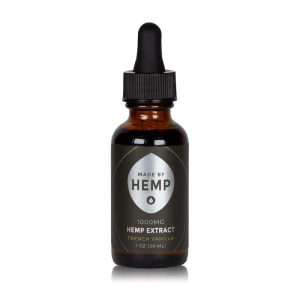
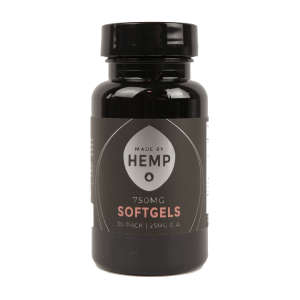
If you are new to CBD, these are gentle, lab-tested starting points: a lower-strength THC-free tincture, an everyday flavored tincture, and a pre-measured softgel.

Want help choosing? Our CBD Buyers Guide walks through every product type, and our Best CBD Oil page lists our top picks in every category. Questions about a specific product? Contact our team, we are happy to help.