

CBD shows up in more and more skin care: face serums, balms, salves, lotions, even bath bombs. If you have wondered whether you can simply rub CBD oil on your skin, or what a CBD topical actually does, this guide walks through it.
We cover what a topical is, what it can and cannot do, how to use one, what to look for on the label, and how to try a new product without surprises.
The short answer
Yes, you can use CBD on your skin, and topicals are made for exactly that. They are applied where you want them and are meant to stay at the surface, not to be taken by mouth. Think of them as skin care with CBD in the formula. Patch test any new product first, and if you have an ongoing skin concern, see a dermatologist.
What Is a CBD Topical?
A topical is any product you apply to your skin rather than swallow. CBD topicals blend hemp extract into a skin care base, so the CBD arrives alongside moisturizers, butters, and plant oils. The common types:
- Serums. Light, fast-absorbing, and usually meant for the face. Applied after cleansing, before moisturizer.
- Balms and salves. Thick, oil and wax based, and made to be massaged into a specific area. A little goes a long way.
- Creams and lotions. Water and oil blends that spread easily over larger areas, like arms, legs, and hands.
- Bath bombs. CBD and skin-softening oils that dissolve into the bath water, for an all-over soak.
Topicals are different from CBD tinctures, softgels, and gummies, which are taken by mouth. If you are curious about those, our CBD Buyers Guide covers every format.
What Topicals Can and Cannot Do
Research on CBD and skin is still early. Most CBD skin care is sold as a cosmetic, which means it is made to moisturize, cleanse, and support the look and feel of your skin, not to fix a medical problem. The plant oils and butters that carry the CBD, like shea butter and hemp seed oil, are well known for keeping skin soft and hydrated in their own right.
What a topical is not is medicine. If you have a rash that will not go away, skin that is broken, bleeding, or getting worse, or any skin concern that worries you, the right next step is a dermatologist or your doctor, not a new jar of balm.
Can You Put CBD Oil on Your Skin?
You can. A CBD tincture is CBD blended into a carrier oil such as MCT or hemp seed oil, and both are common skin care ingredients. A few drops rubbed into dry hands will not do any harm for most people.
That said, tinctures are made to be taken by mouth, and their strength is measured per dropper, not per application. A topical is built for the job: the CBD is spread through a base designed to absorb well, the amount per container is on the label, and it often includes other ingredients chosen for skin. If skin is your goal, a topical is the better fit and usually the better value.
How to Use a CBD Topical
1. Patch test first
Put a small amount on the inside of your forearm and leave it for 24 hours. If you see redness or feel itching or burning, do not use it. This matters most with products that contain fragrance, essential oils, or cooling ingredients like menthol.
2. Start with clean, dry skin
Wash the area with a gentle cleanser and pat it dry. On the face, apply serums after cleansing and toning and before moisturizer.
3. Use a small amount and massage it in
Start with a pea-sized amount of balm or cream, or a few drops of serum, and work it in until it is absorbed. You can always add more.
4. Follow the label
Reapply as the label directs. Keep topicals away from your eyes and do not apply them to broken skin. Wash your hands afterward, especially after cooling or warming products.
How to Choose a CBD Topical
- Check the CBD amount. A good label lists the total milligrams of CBD in the container. If it only says “hemp” or “hemp seed oil” with no CBD amount, it likely contains little or none.
- Read the full ingredient list. If your skin is sensitive, watch for fragrance, essential oils, and menthol, which are the ingredients most likely to cause a reaction.
- Match the format to the area. Serums for the face, balms and salves for small areas, lotions for large ones, bath bombs for all over.
- Ask for the lab report. A Certificate of Analysis (COA) from a third-party lab confirms how much CBD is in the product and that it passed contaminant testing. Ours are on our Lab Results page.
A Simple CBD Skin Care Routine
You do not need a ten-step routine. A simple one looks like this:
- Morning: cleanse, then a light serum, then moisturizer and sunscreen.
- Evening: cleanse, then serum, then a richer moisturizer if your skin runs dry.
- As needed: a balm or salve on dry hands, elbows, or feet, or a bath bomb at the end of a long day.
Add one new product at a time and give it a couple of weeks before you judge it. If something does not agree with your skin, you will know which product it was.
Are There Side Effects?
Most people use topicals without trouble. When a reaction does happen, it is usually to another ingredient in the formula rather than the CBD itself: redness, itching, or a rash where the product was applied. If that happens, wash the area with mild soap and water, stop using the product, and talk to your healthcare professional if it does not clear up.
If you are pregnant or breastfeeding, or you use prescription skin products, check with your doctor before adding a CBD topical. For CBD taken by mouth, see our guide to hemp oil side effects.
About this information
This guide is for general education only. It summarizes common skin care practice and what is known so far from published research on CBD, which is still developing. It is not medical advice and is not a substitute for advice from a dermatologist, doctor, or pharmacist. Everyone’s skin is different, so talk to a qualified healthcare professional about your own situation before using any hemp or CBD product.
Good Places to Start
These Made By Hemp topicals are lab tested and easy to fit into a routine: a daily face serum, a brightening serum, and a cooling salve for the body.
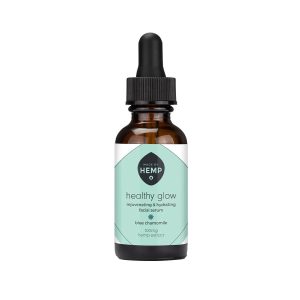
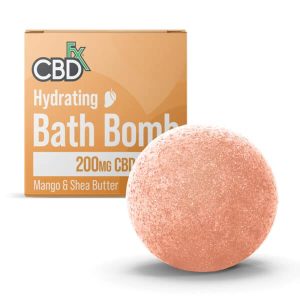
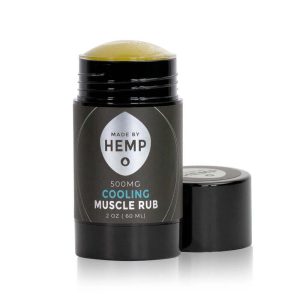
Browse every CBD topical we carry, or see our Best CBD Oil picks in every category. Questions about a product? Contact our team, we are happy to help.